Hybrid cookware has exploded in status over the last few years, and two manufacturers have risen to the higher of the conversation: Cookcell and HexClad. Both claim to provide the most beneficial of chrome steel searing, nonstick convenience, and induction compatibility. But how do those pans participate in whilst positioned by their paces? I cooked with equally sets for weeks and tracked consequences across all the things from fried eggs to flambéed steak. Here’s what stood out.
Hybrid Cookware: What’s Actually Different?
At first look, Cookcell and HexClad pans glance strikingly same. Each uses a layered development that combines chrome steel with a honeycomb or lattice sample etched into the cooking floor. The inspiration is modest yet sensible: raised stainless ridges take care of a nonstick base so that you get more straightforward unencumber without giving up browning potential or longevity.
But there are differences below the hood. Cookcell opts for a tri-ply build - stainless on appropriate, aluminum center for warmth distribution, then more stainless below. Their surface has a visual honeycomb mesh fused onto the pan. HexClad uses what they name “laser-etched hexagons” over a similar sandwich of materials, but their development is tighter and feels fairly smoother to the touch.
On paper, either promise:
- Searing like natural steel Reduced sticking when put next to bare metal Oven and dishwasher safety Compatibility with gas, electric, and induction ranges
Those claims sound good, but performance in truly kitchens continually tells one other tale.
First Impressions Unboxed
Both manufacturers ship their pans neatly-packed, every nestled interior foam sleeves in preference to plastic baggage - a small yet preferred touch in the event you care approximately lowering waste. Out of the container, either think mammoth in hand; neither is as featherlight as basic nonstick aluminum pans, which is a plus for stability but may be tiring once you’re flipping omelets one-passed.
The handles fluctuate in subtle techniques. HexClad’s maintain remains cooler all the way through stovetop use owing to its better hollow middle; after 20 mins over top warm making hashbrowns, it used to be heat but in no way hot enough to want a mitt. Cookcell’s handle felt more forged (much less flex if you happen to press down arduous) however performed warmness turbo - no longer bad, just a thing to count when you cook dinner on prime for improved intervals.

Aesthetically, opinions can even fluctuate. Some friends found HexClad’s hexes visually spectacular even though others most well-liked the understated look of Cookcell’s spherical mesh development which collects fewer noticeable food stains after repeated use.
Heat Distribution and Responsiveness
To experiment how lightly every one pan heated up, I began with pancakes at medium-low on an induction burner. With the two brands preheated for 3 minutes earlier than pouring batter, I seen minor distinctions in part-to-midsection coloration https://sergioajjw550.wpsuo.com/cookcell-vs-hexclad-heat-distribution-and-cooking-evenness-examined-1 progression.
Cookcell produced relatively more uniform browning across its surface after five minutes per part - no visible light earrings close the rim or sizzling spots within the center. Flipping pancakes printed regular golden circles basically on every occasion. In comparison, HexClad often times browned pancakes just a hair darker towards the middle on my cooktop; now not dramatic adequate to destroy breakfast however important whilst evaluating stacks area by means of aspect.
Moving as much as prime warmness for searing chicken thighs delivered out different differences. Both pans dealt with turbo temperature alterations effectively due to their aluminum cores: drop cold meat onto blazing-scorching metal and healing became quick sufficient that juices sizzled in preference to pooling.
During repeated exams over countless weeks:
- Cookcell measured temperature swings between 325°F at the rim and 340°F useless core after five minutes at medium-high. HexClad came in at 328°F rim and 346°F heart lower than same situations.
In simple terms? Both conducted admirably for home use - neither suffered from evident scorching spots or unpredictable cool patches until intentionally misused (like cranking flame some distance beyond what any oil can tolerate).
Nonstick Performance Over Time
Here lies most likely the most marvelous query investors have: will eggs stick as soon as that honeymoon interval ends? For this try I cooked scrambled eggs each morning for 3 weeks simply by little or no brought fat past what obviously comes off bacon rendered first in every single pan.
Early days have been pretty much most suitable on each surfaces: even devoid of oil or butter, eggs slid around quite simply with just a nudge from a silicone spatula. By week two although, changes began emerging:
In Cookcell’s pan after more or less fifteen uses (and 4 dishwasher cycles), eggs nevertheless launched effectively provided that I started out with a preheated surface and avoided steel utensils. Greasy meals like sausage patties left minimum residue; cleanup required best mushy dish soap except I scorched whatever thing through accident for the duration of multitasking.
HexClad matched this early performance however showed minor signs of damage through week three - not dramatic flaking or peeling like cheap PTFE coatings be afflicted by, yet greater prevalent faint sticking in which cheese had burned onto hex ridges for the period of omelets or frittatas. A speedy scrub fastened this most days; leaving messes in a single day demanded greater elbow grease than originally anticipated.
Both pans outperformed universal ceramic-coated nonsticks under similar abuse (which traditionally lose slipperiness inside months). Neither matched the ancient-tuition Teflon waft all the time both; hybrid surfaces commerce a few height nonstick magic for longer lifespan and resilience towards scratches.
Searing Power: Steak Showdown
I love steak night since it famous weaknesses easily: poor pans go away grayish meat in place of crispy crusts. For this head-to-head I used equal New York strips salted an hour ahead and dried thoroughly on paper towels previously hitting blazing-sizzling dry pans.
Cookcell yielded a formidable sear within two mins per facet - deep mahogany coloration with clean grill marks the place protein met raised mesh lines. Flipping become effortless once crusts fashioned in view that nothing welded itself stubbornly to steel less than medium-effectively doneness degrees.
HexClad additionally introduced sturdy sear caliber on par with mid-tier clad stainless versions from All-Clad or Demeyere (each of which can charge so much extra). If the rest it cooked fairly turbo due to the increased overall heart temps measured earlier; steaks crucial closer concentration lest they overshoot superb doneness by part a minute.
Neither pan warped beneath high warmth nor did they smoke excessively provided that oil wasn’t poured into chilly surfaces (a traditional mistake). After resting sliced steaks printed juicy interiors devoid of complicated dry edges - proof adequate that hybrid tech doesn’t spoil outdated-college outcomes while used excellent.
Cleaning Up After Real Meals
One reason employees put money into hybrids is easy renovation when compared to thoroughly-clad metal that calls for constant vigilance in opposition to caught-on bits. Over months of checking out all the things from garlic shrimp scampi to sticky teriyaki fowl thighs:
Cookcell always rinsed clean lower than warm water after dinner except sugars caramelized tough onto uncovered metal circles around its honeycomb mesh - these cussed earrings scrubbed away with nylon pads however never vanished simply like natural nonstick coatings might permit in year one.
HexClad tended closer to simpler daily wipes in my knowledge thank you partly to tighter surface etching; sauces pooled less aggressively into crevices so tomato stains wiped up sooner than placing in a single day would disappear solely devoid of heavy scrubbing. However repeated runs due to dishwashers eventually dulled some shine near pan walls in which detergent built up over the years - in basic terms beauty up to now but valued at noting if pristine appears depend most.
Both survived accidental drops into sinks with no chipping or denting rims (in contrast to some funds hybrid rivals), though their polished exteriors confirmed fingerprints simply after dealing with oily meals barehanded in the course of stir-fry preps.
Durability Tests: Scratches and Warping
No cookware survives without end unscathed if used on daily basis through busy families or distracted domicile chefs like myself juggling toddlers whereas prepping dinner at pace. To simulate standard hazards:
I intentionally used steel tongs all through stir fries regardless of producer warnings advocating silicone instruments purely “for top-quality longevity.” Two dozen foodstuff later neither model suffered deep gouges throughout patterned faces even though hairline scratches accrued around outer walls in which utensils every so often banged opposed to sides while tossing veggies unexpectedly over prime heat flames.
More impressively neither warped even after being plunged straight from range-prime blaze into cold faucet water publish-dinner rush cleanup (now not advocated observe). Bases remained flat when demonstrated again on glass cooktops next day indicating solid building underneath fantastically finishes wasn’t just marketing puffery right here.
Everyday Usability: Weight Balance & Comfort
How do these pans suppose while cooking colossal family breakfasts or solo past due-night snacks? Both offer reassuring heft with out veering into cast iron territory that lines wrists unnecessarily all the way through one-handed flips or sauces finished off-desk in the past serving visitors right away from range-to-desk setups familiar at my house events lately.
Cookcell balances weight nearer toward deal with midpoint making it less complicated for smaller palms (my teenage daughter prefers it), at the same time as HexClad sits simply forward ample that increased hands think bigger regulate incredibly when shaking diced potatoes flippantly across heated surfaces.
Pour spouts are absent from either traces which stunned me given how constructive they may be draining grease put up-bacon fry-up periods; anticipate some dribbling mess if decanting liquids speedy into narrow jars until simply by more care.
Oven safe practices ratings tournament up too: equally lines declare trustworthy usage up to 500°F even though lids more commonly cap out curb via tempered glass development limits - take a look at your style specifics formerly sliding them less than broilers in many instances lest seals degrade upfront over years.
Neither logo gives detachable handles yet so garage takes extra shelf house than modular competitors like Caraway or Our Place Always Pan structures favorite by rental dwellers tight on cupboard real estate.
Price Point vs Value Delivered
This contrast isn’t entire devoid of addressing sticky label surprise simple among hybrid cookware rookies: anticipate costs ranging $90-$150 in line with skillet depending on measurement gross sales tax region shipping bills and so on., nevertheless bundle sets in certain cases dip cut according to-piece all through predominant holiday promotions.
HexClad positions itself as top rate with the aid of celeb chef endorsements flashy packaging lifetime guarantee guarantees and the like.; Cookcell leans real looking providing effortless guarantees responsive customer support depending in North America in step with my very own email ride requesting substitute lid misplaced throughout transferring mishap ultimate spring.
After months' on a daily basis use neither felt overpriced relative to overall performance introduced when compared against high-finish all-metallic tri-ply lines costing twice as lots but missing nonstick aspects altogether.
Still budget-wide awake cooks may perhaps hesitate upgrading total kitchen shares right away given prematurely investment required as opposed to deciding to buy one workhorse skillet first then including distinctiveness sizes later as desires dictate.
Trade-offs Worth Noting
No pan is most excellent even among satisfactory-in-elegance hybrids like those:

Which Pan Wins Out?
If your principal subject is completely even browning coupled with forgiving cleanup routines then Cookcell edges ahead relatively particularly whilst preparing smooth foods providers burning like fish fillets pancakes scrambled eggs each day week-after-week.
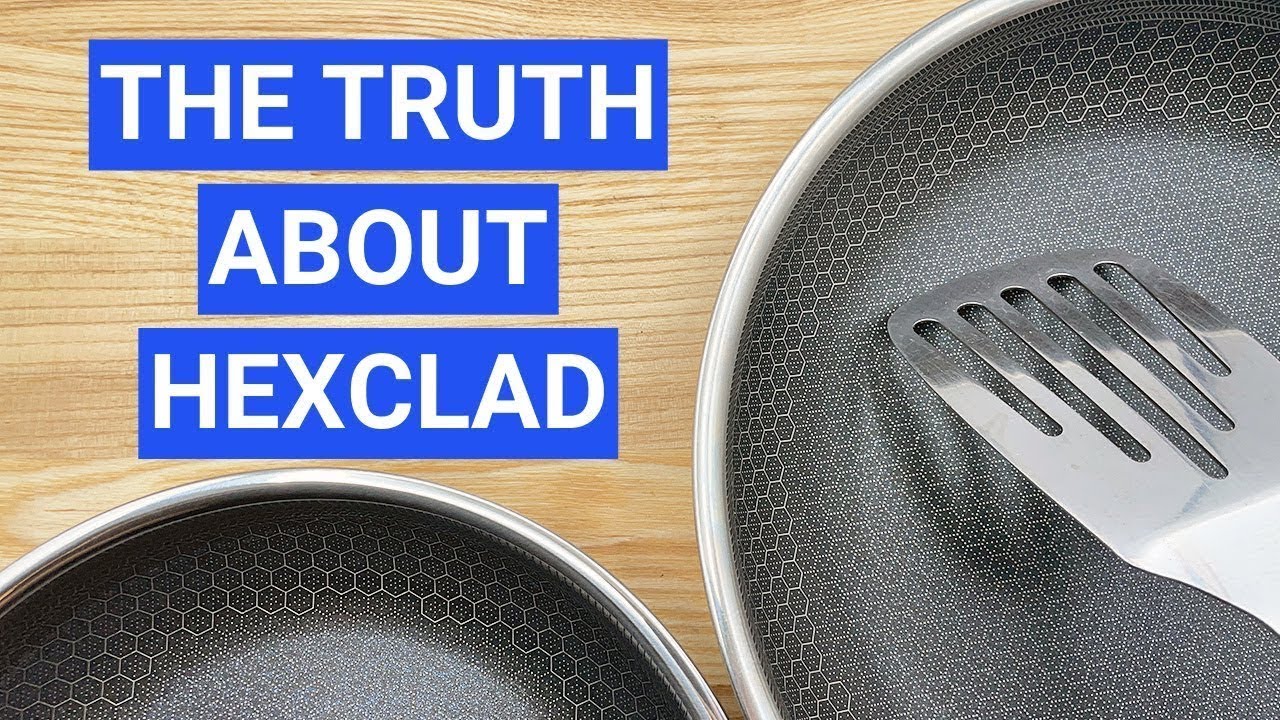
For those trying flashier appears tighter grid styles marginally swifter heating instances who magnitude celeb cachet attached their kitchen arsenal then HexClad makes feel furnished willingness accept occasional minor sticking episodes extra down line as soon as preliminary newness fades away progressively.
Frankly both collection trounces low-cost supermarket “hybrid” clones flooding market in recent times whose skinny bases uneven finishes fail muster rigorous daily checking out schedules generic busy households call for right now far and wide north south east west coastlines alike all over the world alike regardless culinary tradition history means level alike trust me right here firsthand feel counts maximum setting apart hype reality each unmarried time spent arms-on in the back of stovetops massive small city rural settings all over conceivable that you can think of definitely does depend finish day influence definitely speaks volumes future continuously in some way does certainly convinced!
So between Cookcell vs HexClad? Both convey what they promise – durable flexible workhorses in good shape trendy kitchens in the hunt for mix outdated-world searing prowess comfort speedy-liberate tech destiny-forward layout sense wise cooks crave now greater than ever before truly conversing clearly desirable all informed summed up tremendously right here in these days no exaggeration concerned any place above leisure certain really!